Evaluating Bronn: A Decorative Typeface for High-Impact Branding
In the crowded landscape of digital typography, finding a font that balances artistic flair with professional utility is a common challenge for designers and brand strategists. Bronn positions itself as a solution to this challenge, presenting itself as a decorative display font engineered to command attention. It is not intended for body copy or extensive reading; rather, it is a specialized tool designed for specific, high-visibility applications. This evaluation will explore its characteristics, practical value, and the specific contexts where it excels, helping you determine if it aligns with your creative or professional needs.
Core Characteristics and Design Intent
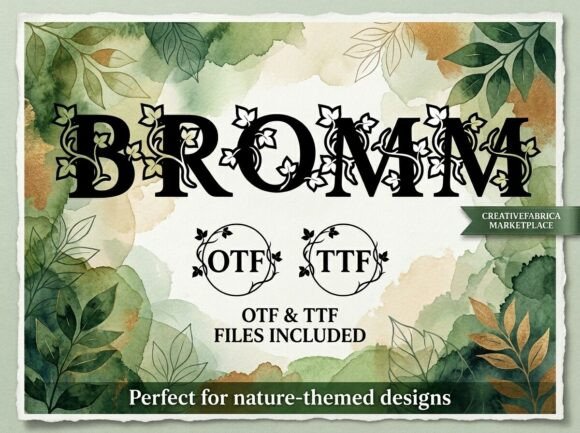
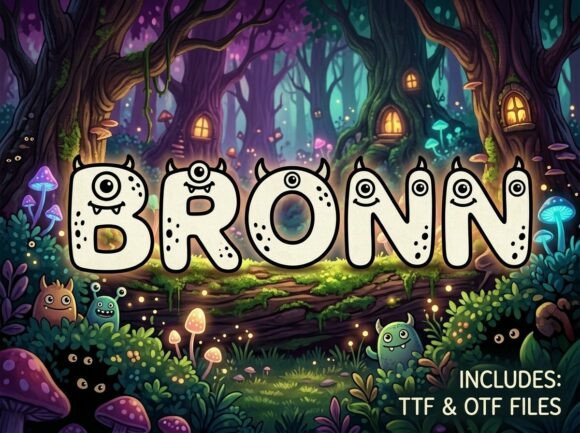
Bronn is defined by its all-caps, uppercase-only structure. This is a fundamental characteristic that shapes its entire utility. Each letterform is crafted as a distinct artistic element, featuring unique design details that contribute to a strong, unified visual personality. The font's purpose is clear: to serve as the focal point in designs where impact and originality are paramount. Its design philosophy prioritizes visual strength over readability in long-form text, making it a deliberate choice for headlines, logos, and decorative initials.
File Formats and Technical Delivery
For practical integration into various workflows, Bronn is delivered in two industry-standard formats:
- OTF (OpenType Font): This is the professional standard, offering advanced typographic features and superior compatibility with design software like Adobe Creative Suite, Affinity Designer, and Sketch. It is the preferred format for complex layout and design work.
- TTF (TrueType Font): This format ensures universal compatibility across operating systems and a wide range of applications, from office software to basic design tools. It provides a reliable fallback for environments where OTF support might be limited.
This dual-format approach is a practical consideration, ensuring the font can be utilized across diverse platforms and project types without compatibility issues.
Practical Application and Real-World Performance
The true test of any decorative typeface is its performance in applied scenarios. Bronn's strengths become apparent in contexts that demand a bold statement. Consider its use in brand logo design. A well-constructed all-caps display font like Bronn can provide a foundation for a logo that feels both unique and authoritative. The consistent uppercase treatment ensures visual harmony, while the artistic details prevent the logo from appearing generic.
In marketing and advertising, Bronn is suited for headlines on posters, social media graphics, and banner ads where capturing fleeting attention is critical. Its strong visual personality can help a message cut through digital noise. For packaging design, especially in sectors like cosmetics, specialty food, or luxury goods, a distinctive display font can convey brand ethos at a glance, communicating creativity and quality before a customer even reads the product details.
Strengths: Where Bronn Excels
- Visual Impact: Its primary strength is immediate. Bronn is designed to be noticed, making it effective for hero sections, event titles, and any element that needs to anchor a design.
- Artistic Cohesion: The unified design language across all characters ensures that headlines and logos maintain a consistent and polished aesthetic, which is crucial for professional branding.
- Targeted Versatility: While not a workhorse font, its versatility lies in its applicability across multiple high-impact design scenarios, from digital to print.
Audience Fit: Who Benefits Most from Bronn?
This font is not a universal solution. Its value is highly dependent on the user's specific role and project requirements. The following groups may find it particularly useful:
- Graphic Designers and Brand Strategists: Professionals tasked with creating distinctive brand identities can leverage Bronn's strong personality for client projects that require a break from conventional sans-serifs or serifs.
- Small Business Owners and Entrepreneurs: Those launching a new venture, especially in creative, artisan, or lifestyle markets, may use Bronn to develop a logo and key visual assets that stand out in a competitive space.
- Content Creators and Marketers: Bloggers, social media managers, and advertisers can use it for compelling YouTube thumbnails, Instagram story headlines, or email newsletter subject lines to boost engagement.
- Event Planners and Publishers: For designing invitations, festival posters, or book covers, a font like Bronn can set a thematic tone effectively.
Important Considerations and Limitations
A balanced evaluation requires acknowledging constraints. The most significant limitation is the lack of lowercase letters. This fundamentally restricts its use to projects where an all-caps aesthetic is desired and appropriate. It cannot be used for body text, subtitles, or any context requiring mixed-case readability. Furthermore, as a decorative font, its legibility at very small sizes may be reduced. It is designed for display, not for information-dense interfaces or fine print.
Users should also consider the font's specific style. While described as having "unique artistic elements," the actual aesthetic must be evaluated against the project's brand guidelines. A highly ornate or futuristic style, for instance, would not suit a corporate financial report. Therefore, previewing the full character set is essential before final implementation.
Long-Term Value and Professional Verdict
When assessing long-term value, Bronn's worth is tied to its ability to solve a specific design problem: the need for high-impact, uppercase typography. Its reliability is ensured through standard file formats, and its effectiveness is proven in the correct applications. For a professional, investing in such a font is about expanding their typographic toolkit with a specialized instrument.
In conclusion, Bronn presents itself as a competent and focused decorative display typeface. It is best viewed as a strategic asset rather than a foundational font. For projects that demand a bold, artistic, and uppercase-only presence—such as logos, hero headlines, and creative packaging—it offers a polished and visually strong solution. For professionals and creators who understand its intended scope and limitations, it can be a valuable addition to their design resources, enabling the creation of work that is designed not just to be read, but to be seen and remembered.