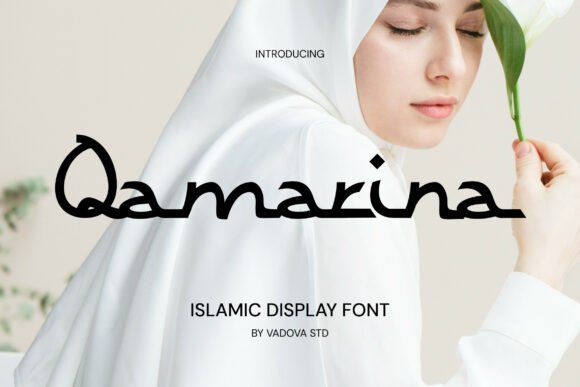
Qamarina: Where Calligraphic Grace Meets Modern Design
Finding the right typeface for a project that aims to honor tradition while speaking a modern language can be a significant challenge. Many designers find themselves caught between the deep beauty of classical Islamic calligraphy and the clean legibility required for contemporary applications. A font that is too traditional may feel archaic or difficult to read at small sizes, while one that is too modern can strip away the spiritual and artistic essence of the script. This is the precise gap that the Qamarina typeface is designed to fill. It is not merely a set of characters; it is a bridge between worlds, offering a solution that is both deeply respectful and refreshingly current.
Understanding the Qamarina Aesthetic
At its core, Qamarina is an Islamic display font, but that simple description hardly captures its character. Its design philosophy is rooted in movement and grace. When you look at a word set in Qamarina, you immediately notice the flowing connections between letters. These aren't rigid, mechanical joins; they are elongated, fluid links that mimic the natural rhythm of a hand moving across paper with a reed pen. This creates a dynamic, almost kinetic energy within the text, making it feel alive and intentional.
Another defining feature is its rounded terminals. The ends of letters, where strokes conclude, are softly rounded rather than ending in sharp, abrupt points. This small detail has a profound impact on the overall feel. It softens the typeface, lending it a welcoming and approachable quality. Combined with the flowing connections, it cultivates a sense of spiritual calm and warmth. Yet, despite these expressive qualities, Qamarina maintains a modern structure. The letterforms are carefully balanced to ensure they remain highly legible, even at smaller sizes or in shorter paragraphs, making it a practical choice beyond pure display work.
Practical Applications for Creators and Businesses
The true value of a typeface like Qamarina is realized in its application. Its unique blend of artistry and clarity opens doors across a wide spectrum of creative and professional fields. For anyone working in lifestyle branding, particularly within modest fashion, this font is a powerful tool. It can convey elegance, cultural pride, and sophistication on clothing tags, lookbook covers, and website headers without a word of explanatory text. The font itself communicates the brand's ethos.
In publishing, its utility is equally compelling. Imagine an artistic book cover for a collection of poetry or spiritual reflections. Qamarina can set the title with a presence that is both eye-catching and deeply meaningful, suggesting the content within. For interior pages, it can be used effectively for chapter headings, pull quotes, or section dividers, adding visual interest and a thematic anchor without disrupting the reading flow of a standard body font.
Beyond Aesthetics: Strategic Branding and Communication
For marketers and business owners, font choice is a strategic decision. Selecting Qamarina for a campaign or brand identity sends a specific message. It signals an appreciation for craftsmanship, cultural depth, and artistic integrity. This can be particularly resonant for businesses targeting audiences who value authenticity and meaningful design. A café with a Middle Eastern-inspired menu, a wellness center focusing on holistic practices, or an educational platform teaching Arabic arts could all leverage Qamarina to build a cohesive and evocative brand world.
Educators and content creators also stand to benefit. In a classroom setting or on educational materials, using Qamarina for headings or key terminology related to Islamic history, art, or language can enrich the learning experience. It provides a visual cue that connects the subject matter to its cultural roots, making the material feel more immediate and engaging. For bloggers and social media managers, it offers a way to create standout graphics for quotes, announcements, or featured articles that need to carry a tone of elegance and thoughtfulness.
Key Strengths and Considerations for Use
The strengths of Qamarina lie in its legibility, its emotional resonance, and its versatility. It solves the problem of needing a typeface that feels authentically connected to Islamic artistic traditions without sacrificing the functional demands of modern design. Its hand-lettered feel adds a human touch in an increasingly digital world, fostering a stronger connection with the viewer. This can lead to better engagement, whether on a printed page or a digital screen.
When implementing Qamarina, a few practical considerations will help you get the most out of it. First, given its nature as a display font, it is most effective when used for headlines, logos, short phrases, or titles. Pairing it with a clean, neutral sans-serif or serif font for body text creates a beautiful and readable contrast. Second, pay attention to spacing. The flowing connections of the script may require slight adjustments to letter-spacing (tracking) in your design software to ensure optimal clarity and visual harmony, especially at very large or very small sizes.
Finally, consider the context. The spiritual and graceful qualities of Qamarina make it a superb fit for projects related to culture, art, wellness, and lifestyle. It might be less suitable for a corporate financial report or a technical manual, where its personality could clash with the required tone. The key is to align the font's inherent character with the message you wish to communicate.
In a design landscape crowded with generic options, Qamarina stands out as a thoughtful and sophisticated choice. It offers a rare combination: the soul of calligraphy and the clarity of contemporary typography. For designers, creators, and business owners seeking to add depth, grace, and a touch of spiritual elegance to their work, exploring what Qamarina has to offer is a worthwhile endeavor. It’s more than a font; it’s a tool for meaningful visual storytelling.