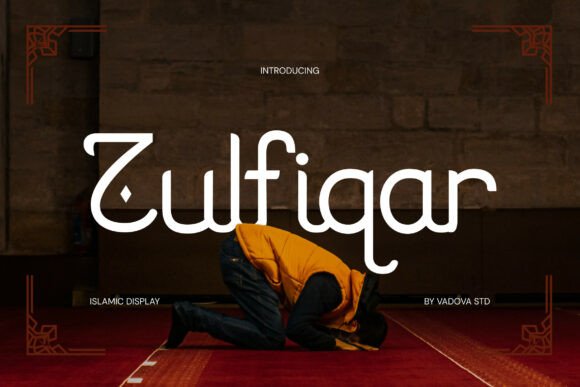
Zulfiqar: A Font Where Heritage Meets Modern Design
In the world of design, typography is more than just letters on a page; it's the voice of a brand, the tone of a message, and the first impression of an identity. For businesses and creators operating within or connected to the Islamic economy, finding a typeface that is both authentic and contemporary can be a significant challenge. This is where Zulfiqar, a contemporary Islamic display font, enters the conversation. It is designed to master the delicate balance between deep-rooted calligraphic heritage and the clean demands of modern branding.
At its core, Zulfiqar is a display typeface, meaning it's crafted for impact and personality rather than long-form body text. Its character is defined by two key features: swinging descenders and sharp diacritic marks. The descenders—the parts of letters like 'g', 'p', or 'y' that drop below the baseline—have a gentle, flowing rhythm. This mimics the natural movement of a master calligrapher’s pen, imbuing the text with a sense of grace and motion. In contrast, its diacritic marks—the dots, dashes, and symbols that guide pronunciation in Arabic script—are rendered with crisp precision. This combination creates a dynamic visual tension: it feels established yet trendy, authoritative yet approachable. It offers a professional foundation for brands that want to communicate trust, sophistication, and a forward-thinking mindset.
Who Stands to Benefit from Zulfiqar?
The utility of a font like Zulfiqar extends across a wide spectrum of users, each with different priorities and goals. Its value isn't one-size-fits-all; rather, it adapts to the specific needs of the project and the creator behind it.
For Entrepreneurs and Small Business Owners
If you're launching a boutique hotel in a culturally rich city, a halal cosmetics brand, or a professional consultancy serving Islamic finance, your visual identity is paramount. For you, Zulfiqar is not just a font; it's a strategic asset. Its primary value lies in commercial value and presentation. It immediately signals a specific cultural and professional alignment without needing lengthy explanations. A logo set in Zulfiqar can convey premium quality and deep respect for tradition, helping to build instant trust with your target audience. The key question for a business owner is: Does this font's personality align with my brand's story and my customers' expectations? For many in the Islamic economy, the answer is a clear yes.
For Graphic Designers and Creators
Experienced designers and hobbyists alike approach a font with a different lens. They are often evaluating quality, flexibility, and creativity. A professional designer will appreciate the technical craftsmanship of Zulfiqar—the consistency of its letterforms, the thoughtful spacing, and the harmony between its sharp and soft elements. They might use it for a high-profile client project, valuing its reliability to render beautifully across print and digital media. A creator or blogger, on the other hand, might be drawn to its learning value and ease of use. Experimenting with Zulfiqar can be a way to understand the principles of Arabic calligraphy translated into a digital format. They might use it for social media graphics, a personal brand logo, or a podcast cover, where its unique flair helps them stand out. For both, the critical question is about creative fit: Does Zulfiqar's style serve the specific mood and message of my current project?
For Educators and Publishers
In educational contexts, the priorities shift towards clarity and authenticity. An educator developing materials for Islamic studies or a publisher producing bilingual children's books might consider Zulfiqar for headings, chapter titles, or cover designs. Here, the font's heritage aspect is a major strength. It can make learning materials feel more authentic and engaging, connecting students to the aesthetic traditions of the language. However, its suitability for body text is limited, as its display nature prioritizes beauty over extended readability. The evaluation for an educator would focus on context: Is this font enhancing the learning experience in a title or chapter header, or is it hindering readability in a paragraph?
Evaluating Zulfiqar for Your Needs
Making a decision about a typeface involves weighing its strengths against your project's specific demands. Consider these practical perspectives:
- For Corporate Branding & Logos: This is Zulfiqar's sweet spot. Its professional foundation makes it ideal for logos, business cards, and letterheads for firms in law, finance, architecture, or premium services. The balance it strikes helps a brand appear both credible and culturally connected.
- For Boutique Hotel & Restaurant Identities: The font's elegant and slightly artistic character is perfect for the hospitality industry. It can evoke a sense of place, luxury, and cultural immersion on menus, signage, and marketing materials, setting the right tone for the guest experience.
- For Digital Content & Social Media: Creators can use Zulfiqar to craft eye-catching titles for YouTube videos, Instagram posts, or article headers. Its sharp details ensure it remains legible and impactful even at smaller sizes on screens, a crucial factor for speed of communication on busy social feeds.
- For Personal Projects & Hobbyists: If you're designing a wedding invitation for a friend, creating a poster for a community event, or just exploring typography as a hobby, Zulfiqar offers a chance to experiment with a professional-grade font. Its distinct style can add a layer of sophistication and meaning to personal creations.
Ultimately, Zulfiqar is more than a collection of glyphs. It is a bridge. It connects the timeless art of Islamic penmanship with the crisp, versatile requirements of contemporary design. Whether you are a business owner building a brand from the ground up, a designer seeking the perfect accent font, or an individual crafting a personal project with cultural significance, its value is realized when its unique character—heritage balanced with modernity—aligns perfectly with your story. It doesn't work for every context, but for the right project, it provides a voice that is both deeply respectful and confidently present.