Gothic Spring: Where History Meets Modern Edge
There’s a particular tension in design that works best—the push and pull between the weight of history and the crispness of the now. You feel it in a restored Victorian home with minimalist furniture, or in a streetwear brand using archaic symbols. This is the space Gothic Spring occupies. It’s a typeface that doesn’t ask you to choose between classic gravitas and contemporary flair; it offers both in a single, compelling package.
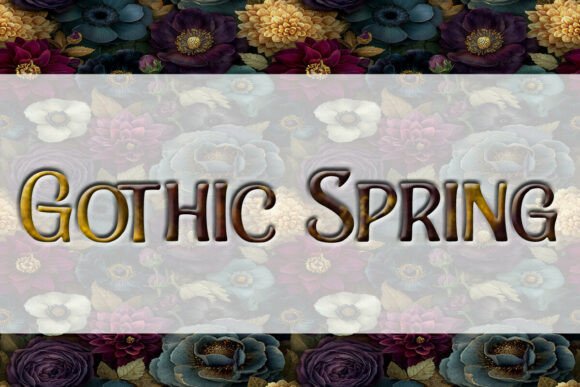
At its core, Gothic Spring is a display font with clear roots in blackletter calligraphy, but it’s been stripped of the stuffy, overly ornate flourishes that can make traditional gothic fonts hard to use in modern contexts. The letterforms have a structured, almost architectural quality. The strokes are bold and confident, with sharp terminals and a distinct rhythm that feels both deliberate and alive. It’s a serif font in spirit, but with a graphic, illustrative edge that sets it apart from more neutral typefaces. The overall personality is one of confident eccentricity—authoritative yet approachable, historical yet utterly relevant.
Strategic Applications: Where This Typeface Shines
Knowing a font looks interesting is one thing. Knowing where it will actually perform is what matters. Gothic Spring’s versatility is its greatest strength, but its impact is most pronounced in specific contexts where its unique character can elevate the message.
For brand identity, particularly for businesses in creative, artisanal, or alternative spaces, Gothic Spring offers instant differentiation. Imagine it on a craft brewery’s logo, a boutique clothing tag, or the masthead of an independent magazine. It communicates a brand that values craftsmanship and isn’t afraid to stand out. In editorial design, it makes for striking pull quotes, chapter headings, or feature article titles, adding a layer of visual storytelling that a standard sans serif font simply can’t provide.
The digital realm is where its modern adaptations truly come alive. On social media graphics, it stops the scroll. A quote card, a promotional announcement, or a YouTube thumbnail set in Gothic Spring carries an inherent weight and seriousness that demands attention. For web design, it’s perfect for hero section headlines or key calls-to-action where you want to make a bold statement without saying a word.
Then there’s the tangible world of print and packaging. On a poster for a music event or an art show, it sets the tone immediately. For packaging design—think of a limited-edition coffee bag, a bottle of artisanal spirits, or high-end cosmetic labels—it conveys premium quality and a story behind the product. For crafters and hobbyists using tools like Cricut, it’s a powerhouse. Its clean lines and defined shapes translate beautifully to decals, vinyl cutouts, and personalized greeting cards, adding a professional touch to handmade sentiment.
Working With Gothic Spring: Practical Considerations
Adopting a font with this much personality requires a thoughtful approach. Here’s how to integrate it effectively into your projects.
First, evaluate the project fit. Ask yourself: does the subject matter benefit from a touch of historical weight or dramatic flair? A children’s party invitation might not be the right home, but a fantasy novel cover, a tattoo studio’s branding, or a high-concept fashion lookbook absolutely is. It’s a creative font for projects that have a narrative or a strong point of view.
Next, master the art of the font pairing. Because Gothic Spring is so distinctive, it pairs best with fonts that provide balance and clarity. A clean, geometric sans serif font for body text is a classic combination that lets the headline font do its job without overwhelming the reader. A simple, elegant script font can also create a beautiful contrast for more feminine or whimsical projects, like wedding invitations. Avoid pairing it with other highly decorative or handwritten fonts, as this will create visual chaos.
Always review the included styles and glyphs. A well-crafted premium font like this often comes with stylistic alternates, ligatures, and extended language support. These extras are what allow you to fine-tune the look, perhaps swapping out a standard ‘&’ for a more ornate version or connecting certain letter pairs for a more authentic calligraphic flow. Test these in your design software to see what works.
Readability is context-dependent. As a display font, Gothic Spring is not intended for long blocks of body copy. Its strength is in headlines, logos, and short, impactful phrases. Use it for 1-3 lines at most. For longer text, always revert to a highly readable serif or sans serif. When setting headlines, ensure there is sufficient size and contrast against the background to maintain legibility, especially in digital formats where screens vary.
Finally, understand the commercial licensing. If you’re using this for a client project, merchandise for sale, or widespread digital distribution, you need to ensure your license covers that use. Reputable foundries and font marketplaces are clear about what is permitted—whether it’s for a single client, unlimited projects, or includes web fonts. This isn’t just about legality; it’s about respecting the craft of the type designer and securing your own project’s professional foundation.
In the end, Gothic Spring is more than a design asset; it’s a tool for communication with a distinct point of view. It’s for the designer, the entrepreneur, the crafter who understands that the right typeface doesn’t just display words—it shapes perception, tells a story, and makes your work unmistakably yours. Embrace its eccentricity, and let it transform your next project from simply designed to truly expressive.