Command the Page with Signa: A Strategic Guide to Typographic Impact
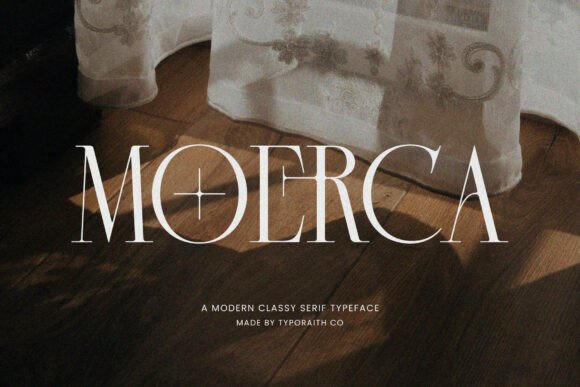
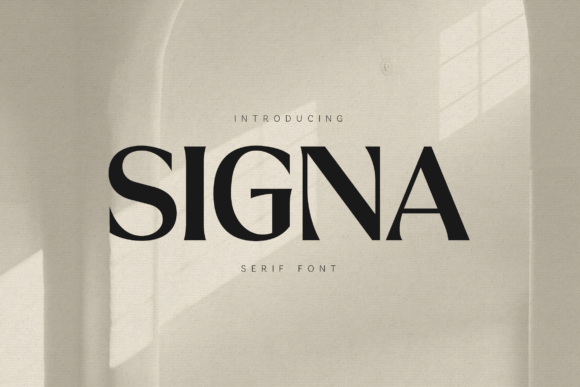
In the world of visual communication, the choice of typeface is never merely aesthetic; it is a fundamental decision regarding positioning, authority, and audience perception. Among the myriad options available to designers and decision-makers, Signa stands out as a tool engineered specifically for prestige. It is a high-contrast serif typeface that masters the delicate art of the thick-and-thin transition. With its massive, authoritative stems paired with delicate, hairline serifs, Signa does not simply convey a message—it commands it. For those looking to establish a professional, established feel without relying on clichés, understanding the strategic utility of Signa is essential.
The Anatomy of Authority: Why Structure Matters
Signa reimagines classical typography through a contemporary lens. To the untrained eye, it might look like a standard serif, but to the experienced practitioner, the structural elegance is evident in its geometry. The "authoritative stems" provide a visual weight that anchors a layout, suggesting stability and reliability. Conversely, the "hairline serifs" introduce a level of sophistication and delicacy that prevents the font from feeling brutish or outdated. This contrast is the key to its utility. When a business owner or a marketer selects a typeface, they are deciding on the personality of their content. Signa offers a personality that is confident, premium, and unapologetic about its quality.
For professionals evaluating their visual assets, the question is often how to bridge the gap between traditional values and modern expectations. Signa achieves this balance. It retains the legibility and familiarity of historical serif fonts—often associated with academia, law, and history—while sharpening the edges and refining the curves for a modern digital or print environment. This makes it a strategic asset for anyone aiming to project competence without appearing antiquated.
Strategic Application: Aligning Typography with Business Goals
Using Signa effectively requires more than just installation; it demands an understanding of context and intent. The typeface is best utilized in scenarios where the primary goal is to establish immediate trust and a sense of luxury. It is not a font for casual, low-stakes communication, such as body text for technical manuals or friendly, informal blogs. Instead, it shines in high-visibility areas where first impressions define the user experience.
Consider the specific industries where this aesthetic is non-negotiable. Signa is an exceptional choice for fragrance and cosmetic branding. In these markets, the visual identity must evoke sensory pleasure and exclusivity before the product is ever touched. The high-contrast nature of Signa mimics the elegance of fashion editorial layouts, making it ideal for luxury magazine mastheads. Similarly, in the spirits industry, the packaging is often as important as the liquid inside. Signa is perfectly suited for premium spirit labels, where the typography must communicate heritage and craftsmanship on a crowded shelf.
However, its application extends beyond physical goods. In the realm of avant-garde editorial design and digital publishing, Signa can serve as a powerful anchor. For a blogger or publisher looking to elevate their platform from a hobbyist project to a professional media outlet, changing the headers to a typeface like Signa can subtly signal a shift in content quality and seriousness to the reader.
Decision-Making for Brand Identity
When planning a rebrand or a new launch, decision-makers must weigh the "personality" of their typography. If your brand strategy focuses on approachability, warmth, and friendliness, Signa might be the wrong choice. Its sharp geometry and high contrast can feel intimidating if used incorrectly. However, if your strategy relies on positioning—specifically, positioning yourself as a market leader, an authority, or a purveyor of fine goods—Signa is a formidable ally.
It is also crucial to consider the customer experience. Typography dictates readability and pacing. Because of its strong visual presence, Signa is best used for display purposes: headlines, subheadings, pull quotes, and logos. Using it for long-form body copy can lead to visual fatigue due to the extreme weight differences in the strokes. A successful layout strategy pairs Signa with a clean, neutral sans-serif or a highly legible text serif for the body paragraphs, allowing Signa to handle the heavy lifting of impact and hierarchy.
Practical Planning: Integrating Signa into Your Workflow
Adopting a new typeface involves operational considerations. For freelancers and agencies, consistency is key to maintaining client trust. When integrating Signa into a design system, one must establish clear guidelines for its usage. This includes defining specific font sizes, line heights, and color pairings that maximize its legibility.
For example, in avant-garde editorial design, you might plan a layout where Signa is used in a massive scale for the headline, perhaps even bleeding off the page, while the deck or subheadline uses a lighter weight of the same family or a contrasting geometric sans. This planning ensures that the "prestige" of the font does not overwhelm the content but rather frames it.
Furthermore, consider the technical execution. High-contrast fonts like Signa require careful attention to rendering on screens. On low-resolution monitors, the hairline serifs can sometimes disappear or look jagged. Therefore, a strategic approach involves testing the font across multiple devices. For digital-first projects, ensure that the font files are optimized for web performance. A slow-loading luxury font defeats the purpose of a premium user experience. Planning for these technical details is just as important as the aesthetic selection.
Avoiding Common Pitfalls: Context and Restraint
One of the most significant risks in using a typeface like Signa is the potential for "style over substance." A common mistake among creators and small business owners is selecting a prestigious font in the hopes that it will automatically confer legitimacy upon mediocre content or poor planning. Typography cannot fix a broken business model or a confusing user interface.
If Signa is used without clear goals, it can create a dissonance between the brand's promise and its delivery. For instance, using a high-end serif font for a discount retail brand might confuse customers, creating a mismatch in expectations. The typography sets a psychological contract with the user; Signa promises excellence, and the product or service must deliver on that promise.
Another risk is over-styling. Because Signa has such a distinct personality, pairing it with overly decorative graphics, clashing color palettes, or other highly stylized fonts can result in a chaotic visual hierarchy. The strategic approach is restraint. Let the structural elegance of Signa breathe. Use white space generously to allow the thick-and-thin transitions to be appreciated. This intentional use of negative space reinforces the feeling of luxury and exclusivity.
Long-Term Value and Brand Equity
Investing time in typography is an investment in long-term results. A consistent visual identity built around a typeface like Signa helps build brand equity. Over time, customers begin to associate that specific visual style with your quality and reliability. For entrepreneurs and established businesses alike, this recognition is invaluable.
When you choose Signa, you are making a deliberate choice to prioritize quality and impact. It is a tool for those who wish to lead rather than follow. By understanding its strengths—its ability to command attention and convey authority—and mitigating its risks through careful planning and pairing, you can leverage this typeface to elevate your communication strategy. Whether you are designing a premium spirit label or launching a new luxury digital publication, Signa provides the structural elegance necessary to anchor your layout and project the confidence required to succeed in a competitive market. It is not just a font; it is a declaration of standards.