Strategic Typography: Unlocking Authenticity with the Jack Jill Font
In the digital marketplace, visual noise is the default setting. Whether you are a small business owner refining your brand identity, an educator developing engaging course materials, or a marketer designing a high-converting landing page, the pressure to stand out is immense. While most professionals focus on color palettes and high-resolution imagery, the choice of typography often remains an afterthought. This is a strategic oversight. Typography is not merely a vessel for information; it is a primary carrier of tone and intent. Among the myriad of options available, Jack Jill offers a specific, high-value solution for those seeking to inject genuine personality into their visual communications.
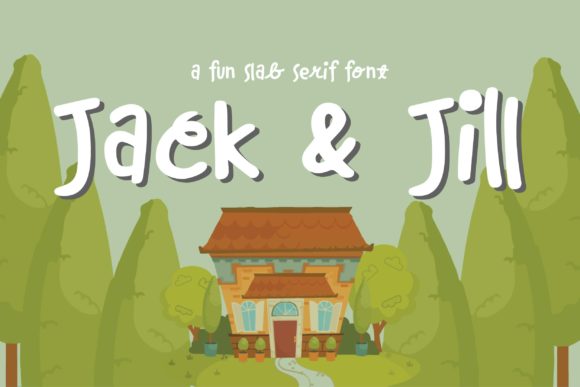
Jack Jill is not just another script font. It is a cute, simple, lettered handwritten typeface designed to replicate the authentic imperfections of human penmanship. For the discerning creator or decision-maker, understanding how to deploy this font effectively can be the difference between a design that feels corporate and sterile and one that feels personal and trustworthy. This article explores the strategic application of the Jack Jill font, offering guidance on how to use it to achieve specific goals, enhance customer experience, and build a cohesive brand narrative.
The Anatomy of Authenticity: What Makes Jack Jill Unique
Before integrating any design asset into your workflow, it is essential to understand its inherent characteristics. The Jack Jill font is characterized by its simplicity and charm. Unlike complex calligraphy scripts that can be difficult to read or overly ornate brush fonts that scream "trendy," Jack Jill occupies a balanced middle ground. It mimics the look of chalk on a board or a felt-tip pen on paper, providing a tactile quality to digital assets.
This font falls into the category of "authentic handwriting." In design psychology, authentic handwriting triggers a different emotional response than standard sans-serif or serif fonts. It suggests human presence, effort, and sincerity. When a user sees text rendered in Jack Jill, they subconsciously register that a human element is involved in the communication. This is a powerful strategic lever. In an era of AI-generated content and automated chatbots, visual cues that signal "human touch" can significantly increase trust and engagement.
Strategic Application in Branding and Marketing
For entrepreneurs and small business owners, branding is about consistency and differentiation. The utility of Jack Jill lies in its ability to soften the hard edges of a corporate identity. If your brand voice is approachable, friendly, or whimsical, this font should be a staple in your toolkit.
Enhancing the Customer Experience
Consider the unboxing experience, a critical touchpoint for e-commerce brands. If you sell physical products, the thank-you note is a standard practice. However, scaling a handwritten note is impossible for growing businesses. Using Jack Jill on your packaging inserts allows you to maintain the aesthetic of a personal thank-you note without the logistical nightmare of handwriting thousands of cards. The font’s realistic feel adds a personal touch that customers appreciate, fostering loyalty and encouraging repeat business.
Similarly, in email marketing, the header images or featured graphics often feel detached. By incorporating Jack Jill for annotations, quotes, or call-to-action overlays on images, you bridge the gap between the brand and the consumer. It turns a generic promotional graphic into a friendly suggestion.
Visual Positioning and Social Media
On platforms like Instagram and Pinterest, visual hierarchy is everything. The "chalkboard aesthetic" is a proven winner for content related to food, wellness, parenting, and education. Jack Jill excels in these environments. It is legible enough for short headlines but stylistic enough to convey a mood instantly. For a fitness coach posting a motivational quote or a baker labeling a new recipe, this font provides the perfect "homemade" vibe. It positions the creator not as a distant entity, but as a relatable peer.
Utility in Education and Content Creation
Educators and course creators face a unique challenge: maintaining student engagement in a distraction-heavy world. The sterile nature of standard academic fonts can create a barrier to learning. This is where Jack Jill serves a functional purpose beyond aesthetics.
Cognitive Engagement and Learning
Educational materials often suffer from "cognitive overload." When a student is presented with dense blocks of text in Times New Roman or Arial, the brain categorizes it as "work" or "data." However, when key concepts or instructions are presented in a handwritten style like Jack Jill, it signals a shift in tone. It suggests that this piece of information is a "tip," a "note," or a "friendly reminder." This can lower the psychological barrier to entry for complex subjects.
For teaching materials, particularly those designed for younger audiences or creative subjects, Jack Jill is invaluable. It can be used to annotate diagrams, highlight vocabulary words, or create headers for worksheets. The "cute and simple" nature of the letterforms ensures that the text remains readable, avoiding the common pitfall of handwritten fonts where letters blend into an unintelligible mess.
Decision-Making: When to Use and When to Avoid
While the Jack Jill font is versatile, strategic decision-making requires knowing its limitations. Using a handwritten font in the wrong context can undermine your credibility rather than enhance it.
The Ideal Use Cases
Jack Jill is strategically sound in the following scenarios:
- Informal Communication: Newsletters, personal blogs, and social media captions.
- Decorative Headlines: Headers for invitations, flyers, or website sections that require a warm tone.
- Annotations: Adding notes to images or graphics to guide the viewer's eye.
- Themed Content: Chalkboard menus, rustic wedding invitations, or vintage-style posters.
The Risks of Misapplication
Relying on Jack Jill without clear goals or context can lead to strategic errors. The primary risk is illegibility. While it is cleaner than many script fonts, it is still a handwritten style. It should never be used for long-form body text. A paragraph set in Jack Jill will fatigue the reader’s eyes and lead to high bounce rates on web pages.
Furthermore, context matters. If you are a law firm, a fintech startup, or a medical provider, using Jack Jill for your primary communications may signal a lack of seriousness. It can be perceived as "juvenile" if the surrounding design elements do not support a professional framework. The font should support the message, not distract from it. If the viewer has to squint to read your headline because the font is too stylistic, the design has failed.
Planning and Implementation: A Practical Guide
To achieve better results with Jack Jill, you must approach its implementation with intentionality. It is not enough to simply install the font and use it randomly.
Pairing for Contrast and Readability
The most effective use of a handwritten font is in contrast with a clean, neutral typeface. Jack Jill pairs exceptionally well with clean sans-serifs like Open Sans, Lato, or Roboto.
For example, if you are designing a poster for a workshop:
- Use Jack Jill for the main hook or title (e.g., "Creative Workshop").
- Use a clean sans-serif for the details (Time, Date, Location, Registration info).
- Use Jack Jill again for a small annotation or "PS" at the bottom.
This hierarchy ensures that the design feels personal but remains highly functional. The user gets the emotional appeal from the handwritten elements and the logistical information from the clean text.
Hierarchy and Spacing
When using Jack Jill, letter spacing (tracking) is crucial. Handwritten fonts often look better with slightly increased spacing to prevent letters from crashing into one another. Because the font has a "cute and simple" aesthetic, it relies on whitespace to breathe. Crowding this font will destroy its charm and make it look messy rather than artistic.
Consider the size of the text. Jack Jill works best at medium to large display sizes. At small sizes, the handwritten characteristics may become noise. Always test your designs at the intended output size—whether that is a mobile screen or a printed flyer—before finalizing.
Long-Term Value and Asset Management
For freelancers and agencies, building a library of reliable assets is key to productivity. Jack Jill is a high-value asset because of its versatility across different client verticals. A freelancer serving a yoga studio, a children’s boutique, and a local coffee shop can use this font across all three brands, styled differently each time.
However, to maintain long-term value, you must manage how you use it. Do not use Jack Jill for every project. Overuse of any single font can lead to a "cookie-cutter" portfolio. Instead, treat it as a specialized tool for specific emotional outcomes. When the brief calls for "warmth," "nostalgia," "playfulness," or "chalkboard style," you reach for Jack Jill. When the brief calls for "innovation," "authority," or "minimalism," you put it away.
Conclusion: Intentionality Over Aesthetics
The availability of high-quality fonts like Jack Jill democratizes design, allowing entrepreneurs and educators to create professional-looking materials without a design degree. However, access to tools does not guarantee success. The true differentiator is strategy.
Using Jack Jill is a decision to prioritize approachability and human connection. It is a choice to soften your brand’s voice and invite your audience in. When used with clear goals, proper pairing, and an understanding of your audience, this font does more than just display words—it creates a feeling. By moving beyond random usage and adopting an intentional approach to typography, you ensure that every visual element of your project works toward your ultimate objective: connecting with your audience and delivering your message with clarity and style.