Injecting Playful Energy into Your Projects with Homer Ducker
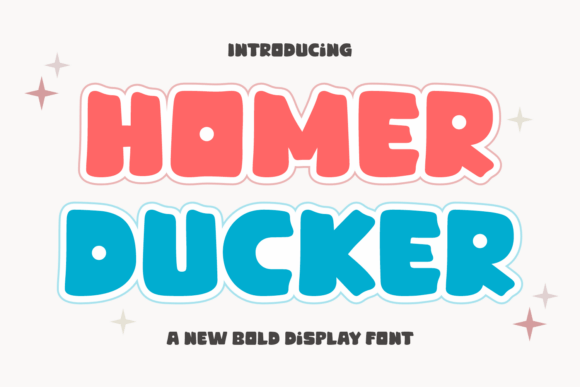
In the world of design, capturing attention quickly is a fundamental requirement, but doing so with a distinct personality is what truly sets a project apart. Enter Homer Ducker, an ultra-thick display font that brings a unique blend of bouncy, cartoonish charm and a heavy, commanding structural footprint. This isn't just another typeface; it's a strategic asset for creators looking to inject a wave of high-energy fun into their work. Understanding where and how to integrate a font like Homer Ducker is key to maximizing its impact, moving it from a mere aesthetic choice to a functional component of your creative and business processes.
Defining the Role of a High-Impact Display Font
Before diving into implementation, it's crucial to understand the specific role Homer Ducker is designed to play. This is a display font, meaning its primary purpose is for headlines, logos, titles, and short, impactful statements. Its ultra-thick weight and playful swagger make it ideal for grabbing attention, but this same strength makes it unsuitable for body text or long-form reading where clarity and subtlety are paramount. The first step in any workflow involving Homer Ducker is recognizing this constraint. You are not choosing a font for an entire document; you are selecting a powerful accent piece that will define the tone and energy of your visual communication.
Pre-Project Planning: Aligning Font Choice with Brand Identity
The most effective use of a font like Homer Ducker begins long before you open your design software. It starts in the planning and strategy phase. Consider the core identity of your project or brand. Is your goal to appear playful, energetic, approachable, and bold? If you are an independent toy store, a boutique confectionery, a skate shop, or a creator of animated social media content, the answer is likely yes. Homer Ducker's personality aligns perfectly with these sectors. During your brand discovery process, use mood boards to test how the font's character resonates with your target audience. Does its bouncy nature evoke the right emotions? Does its heavy footprint convey the right level of presence? Answering these questions early ensures your font choice is a deliberate part of your brand strategy, not a last-minute decorative decision.
Integrating Homer Ducker into Your Design Workflow
Once the strategic decision is made, Homer Ducker can be integrated at various stages of execution. Its value is realized in how it interacts with other elements in your design system.
Logo and Identity Systems
For logos, Homer Ducker can serve as the primary wordmark or as a strong supporting element. Its cartoonish soul makes it perfect for brands that want to feel friendly and dynamic. When building an identity system, pair Homer Ducker with a clean, neutral sans-serif for body copy. This contrast creates a clear visual hierarchy: the display font captures attention and injects personality, while the body font ensures readability and professionalism. The key is consistency. Once you establish this pairing, document it in your brand style guide to ensure all future applications—from business cards to website banners—maintain a cohesive look and feel.
Marketing and Social Media Execution
Where Homer Ducker truly shines is in high-impact, short-duration visuals. Think of social media headers, promotional graphics for sales, event posters, or video thumbnails. In these contexts, you have mere seconds to make an impression. The font's heavy structural footprint makes it legible even at small sizes or in busy feeds, while its playful swagger can make a standard announcement feel like an exciting event. When creating a social media campaign, use Homer Ducker for the main call-to-action or the key message. For a series of Instagram Stories promoting a new product line, this font can create a consistent, energetic thread that ties the campaign together, making your content instantly recognizable.
Merchandise and Physical Products
For small business owners and creators, the application extends beyond the digital realm. On merchandise like t-shirts, stickers, or packaging, a font choice defines the product's appeal. Homer Ducker is an excellent choice for skate shop merchandise where bold, edgy graphics are the norm, or for boutique confectionery logos on packaging that needs to stand out on a shelf. When preparing files for print, pay close attention to the technical aspects. Ensure the font is properly embedded or outlined to avoid rendering issues. Communicate clearly with your printer about the specific Pantone colors or ink requirements to ensure the final product matches the vibrant, high-energy feel of the digital design.
Practical Considerations for Long-Term Use
Adopting a new font into your toolkit is an investment. To ensure Homer Ducker remains an asset and not a liability, consider these practical factors.
- Compatibility and Licensing: Before purchasing, verify the font's licensing covers your intended use—whether for a single client project, a commercial product line, or across all your brand's platforms. Ensure the file format (.OTF, .TTF, .WOFF) is compatible with your primary design software, whether it's Adobe Creative Suite, Canva, or a code-based environment for web development.
- Usability and Legibility Testing: Always test the font in context. Create mockups of your intended application—a website hero section, a printed flyer, a mobile app screen. Check the legibility of the specific words you'll be using. Sometimes, certain letter combinations in display fonts can create awkward spacing. Adjusting kerning and tracking is often a necessary step to achieve perfect visual balance.
- Organizational Integration: Add Homer Ducker to your team's shared font library and update your brand asset repository. Create templates in your design tools that already have the font and its paired typeface set up. This saves time, enforces consistency, and makes it easy for anyone on your team—from a marketer creating a quick graphic to a designer working on a major campaign—to use the asset correctly.
- Quality Control: As with any brand asset, establish guidelines for its use. Define minimum sizes for legibility, specify approved color combinations, and outline scenarios where it should and should not be used. This protects the integrity of your brand's playful yet professional image over the long term.
Conclusion: A Tool for Energetic Communication
Homer Ducker is more than just a collection of bouncy, thick letters. It is a communication tool designed to convey a specific emotion and energy. By thoughtfully integrating it into your planning, aligning it with your brand's core identity, and implementing it with technical care across various media, you can leverage its strengths to create memorable, high-impact designs. Whether you are a freelancer building a client's brand, an entrepreneur launching a new product, or a hobbyist crafting a personal project, understanding how to wield a font like Homer Ducker transforms it from a simple download into a powerful component of your creative workflow, ensuring your message is not only seen but felt.