Evaluating Toony Pop: A Designer's Guide to This Cartoon Font
In the realm of typography, the choice of font is a foundational decision that shapes the entire personality of a project. For creators aiming for a cheerful, energetic, and approachable aesthetic, cartoon-style display fonts are a popular category. Among them, Toony Pop presents itself as a specific option designed to inject fun and playfulness. This article provides a practical evaluation of the Toony Pop font, helping you determine if its characteristics align with your creative and professional needs.
Understanding the Core Identity of Toony Pop
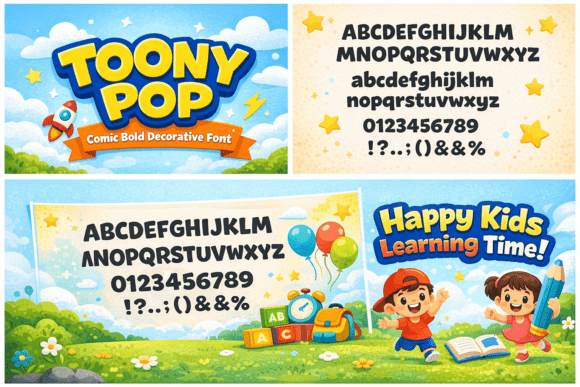
Toony Pop is a display typeface, meaning it is crafted for use in headlines, titles, and short bursts of text rather than for long paragraphs. Its design draws inspiration from classic cartoon lettering, comic book typography, and the rounded, friendly shapes often found in children's illustrations. The goal of its design is to convey energy, happiness, and a bold, readable presence. The letterforms are typically characterized by thick, uniform strokes, rounded terminals, and a sense of movement that avoids rigidity. This creates a visual voice that feels welcoming and full of character, making it a candidate for projects where a lighthearted tone is paramount.
Key Considerations for Your Project
When evaluating any font, it's essential to move beyond initial attraction and consider its functional fit. Here are several factors to weigh when looking at Toony Pop.
Visual Tone and Audience Alignment
The primary strength of Toony Pop lies in its clear thematic alignment. It is inherently suited for content targeting children, families, or any audience where a sense of joy, innocence, and play is desired. Think of kids' book covers, educational activity sheets, birthday party invitations, or branding for a toy store. However, this specificity is also its main limitation. If your project requires a tone that is serious, formal, elegant, or minimalist, Toony Pop's exuberant personality would likely create a dissonant or unprofessional impression. It is not a versatile, all-purpose font; it is a specialist tool for a particular mood.
Readability and Practical Application
A critical aspect of any display font is its legibility at various sizes and in different contexts. Toony Pop's bold and rounded design generally offers good readability for short, impactful text like a poster headline or a logo mark. Its simple, unadorned shapes help it remain clear even at smaller sizes, such as on stickers or social media icons. However, it is not designed for body text. Using it for paragraphs would create significant readability issues due to its decorative nature and uniform stroke weight, which can cause eye strain over extended reading. Therefore, consider it for elements that need to grab attention quickly, not for conveying detailed information.
Context of Use: Digital vs. Print
Toony Pop's design translates well across both digital and print mediums. On screens, its bold shapes stand out in app interfaces, game graphics, and video titles. In print, it works effectively for packaging, apparel designs, and classroom materials. A key consideration is the medium's formality. A children's educational app is a natural fit, whereas a corporate annual report is not. Always match the font's personality to the context's expectations.
Scenarios Where Toony Pop is a Strong Fit
Evaluating the font through specific use-case scenarios can clarify its value. Consider Toony Pop for:
- Branding and Logo Design: For businesses or products with a playful, child-friendly, or whimsical brand identity, such as a bakery, a daycare center, or a line of children's clothing.
- Packaging and Product Design: Ideal for toy boxes, candy wrappers, snack packaging, or any product where shelf appeal needs to communicate fun and enjoyment.
- Event and Promotional Materials: Effective for flyers, posters, and banners for community events, school functions, kids' parties, or amusement park promotions.
- Digital Content and Social Media: Useful for creating engaging thumbnails, channel graphics, or post titles for family-focused YouTube channels, parenting blogs, or educational game platforms.
Situations Where Alternatives May Be Warranted
No single font is perfect for every task. In the following situations, you might want to explore alternatives to Toony Pop:
- Projects Requiring Subtlety or Sophistication: If your design calls for elegance, luxury, or a minimalist aesthetic, a sans-serif with clean lines or a sophisticated serif would be more appropriate.
- Text-Heavy Applications: Any context involving long-form reading, such as articles, reports, or book interiors, demands a highly legible text font. Toony Pop should be reserved for complementary headlines only.
- Corporate or Professional Environments: For presentations, business cards, or official documents, the playful nature of Toony Pop could undermine the desired tone of professionalism and authority.
- When Uniqueness is a Priority: Cartoon-style fonts are a popular category. If standing out is crucial, research other less common options within the playful font genre to avoid a generic look.
Making Your Decision: Practical Steps
To determine if Toony Pop is the right choice, follow this practical checklist:
- Define Your Project's Core Emotion: Is the primary goal to be fun, energetic, and friendly? If yes, proceed. If no, look elsewhere.
- Identify the Primary Use Case: Will the font be used for headlines, logos, or short, impactful text? Or is it needed for body copy? Its strength is in the former.
- Test It in Context: Always test the font with your actual content. Place a sample headline in your design mockup to see how it interacts with other visual elements, colors, and imagery. Does it enhance the intended mood?
- Consider the Full Project Ecosystem: If using Toony Pop for a brand, ensure you have a complementary, highly legible font for all other text needs. The pairing is as important as the headline font itself.
- Evaluate Licensing and Technical Requirements: Ensure the font license covers your intended use (e.g., commercial projects, print runs, digital distribution). Check file formats for compatibility with your design software.
Ultimately, Toony Pop is a purpose-built tool. Its value is realized when its playful, cartoon-inspired character directly serves the communication goal of a project. By objectively assessing your needs against its specific strengths and limitations, you can make an informed decision that supports your design's effectiveness and audience connection.