Avery: A Practical Evaluation of This Decorative Display Typeface
In the vast landscape of digital typography, finding a typeface that balances strong visual personality with professional application can be a challenge. Avery is a decorative display font designed specifically for this purpose. It is not a workhorse for body text but a specialized tool intended to serve as the focal point of a design. This article provides a practical evaluation of Avery, exploring its intended use cases, inherent limitations, and the key considerations for determining if it aligns with your creative objectives.
Understanding Avery's Core Design and Purpose
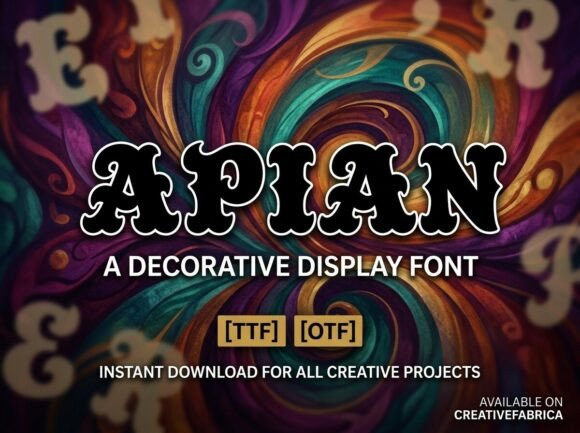
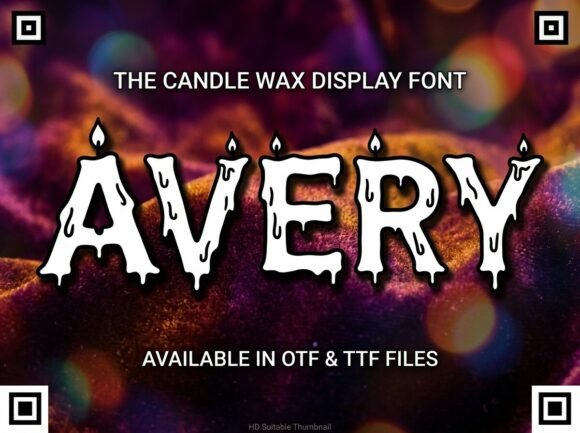
Avery is classified as a decorative display typeface. Its fundamental design philosophy prioritizes artistic expression and high-impact visual communication over readability in extended passages. The font features unique artistic elements that give each letterform a distinct, crafted quality. This makes it a strong candidate for projects where a single word or a short phrase needs to command immediate attention. It is a tool for headlines, logos, and initials, not for paragraphs or user interfaces.
A critical characteristic of Avery is its ALL-CAPS, uppercase-only design. This is a deliberate stylistic choice that reinforces its role in display contexts. The absence of lowercase letters means it is unsuitable for any application requiring sentence case, proper names, or extended reading. This design constraint is a key factor in its evaluation; it forces a specific, bold typographic statement.
Scenarios Where Avery May Be a Strong Fit
Evaluating a font like Avery requires matching its strengths to specific project needs. Its visual personality makes it particularly effective in several common design scenarios.
- Bold Headlines and Titles: For magazine covers, poster titles, hero section headers on a website, or event banners, Avery can create an instant point of visual interest. Its decorative nature helps set a tone—be it artistic, vintage, or avant-garde—immediately.
- Artistic Logos and Wordmarks: When a brand identity calls for a logo that feels handcrafted or highly stylized, Avery provides a ready-made foundation. It is well-suited for boutique brands, creative studios, or products where the logo itself is a piece of art.
- Creative Packaging and Branding: On product packaging, especially for limited editions, artisanal goods, or special releases, Avery can elevate the perceived value and uniqueness. It works well for product names, taglines, or decorative initials on labels.
- Decorative Initials and Monograms: The artistic detail in each letter makes Avery an excellent choice for creating large, ornate drop caps in editorial layouts or standalone monograms for stationery and branding.
Key Considerations and Potential Tradeoffs
While Avery excels in focused applications, its design imposes specific tradeoffs that are essential to consider during the selection process.
- Readability vs. Impact: This is the primary tradeoff. Avery sacrifices straightforward readability for high visual impact. It should never be used for body copy, instructions, or any text where quick, effortless reading is the priority. Its purpose is to be admired, not simply read.
- The All-Caps Limitation: The uppercase-only nature is non-negotiable. If your project requires lowercase letters for grammatical correctness, naming conventions, or stylistic variety, Avery is immediately disqualified. This makes it unsuitable for long-form titles that rely on sentence case or for projects involving proper nouns that must appear in lowercase.
- Contextual Appropriateness: The strong personality of Avery can clash with minimalist, corporate, or highly technical design languages. It is best paired with clean, neutral companion typefaces for body text to create a balanced hierarchy. Using it in the wrong context can make a design feel cluttered or overly themed.
- File Format and Compatibility: The font is delivered as OTF and TTF files, ensuring broad compatibility across professional design software (Adobe Suite, Affinity) and standard operating systems. The OTF file is recommended for advanced typographic features and layout control.
Decision-Making Insights: Is Avery Right for Your Project?
To determine if Avery aligns with your goals, move beyond aesthetic appeal and conduct a practical assessment against your project requirements.
- Define the Text's Role: Will the text set in this font function as a standalone visual element or as a communicative tool for reading? If the answer is the former, Avery is a candidate. If the latter, it is not.
- Check Your Content: Scrutinize the actual words and letters you need to use. Are they all uppercase? Does the message work without lowercase? A quick test is to type your intended headline in all caps to see if it feels natural and intentional.
- Consider the Overall Design System: Evaluate how Avery will interact with other fonts, colors, and imagery in your layout. It needs visual space and complementary elements to shine. A cluttered design will diminish its impact.
- Assess the Audience and Medium: Is your audience expecting bold, artistic expression? Is the final medium—be it a printed poster, a product label, or a website header—conducive to showcasing detailed, decorative typography? Consider viewing distance and reproduction quality.
When to Consider Alternatives
Avery is a purposeful tool, and there are clear situations where alternative typefaces would be more appropriate.
- For Body Text or Long-Form Reading: Any project requiring paragraphs of text, such as articles, reports, or book interiors, demands a highly readable serif or sans-serif font. Avery is not designed for this function.
- When Case Flexibility is Required: If your design relies on a mix of uppercase and lowercase for visual rhythm or grammatical necessity, you must choose a typeface that includes a full character set.
- For Minimalist or Ultra-Clean Aesthetics: If the design brief calls for a stark, geometric, or neutral typeface, Avery's ornate character would be a disruptive mismatch. Look for clean sans-serifs or simple geometric fonts instead.
- For User Interface Elements: Buttons, navigation menus, and form labels require exceptional clarity and neutrality at small sizes. Avery’s decorative details would become a hindrance to usability.
In conclusion, Avery is a specialized instrument in a designer's toolkit. Its value lies in its ability to inject artistic flair and strong personality into display contexts. The decision to use it should be based on a clear understanding of its strengths as an all-caps decorative font and its limitations in readability and case. By evaluating your project's specific needs for impact, context, and typographic flexibility, you can make an informed choice about whether Avery is the right font to bring your creative vision to life.