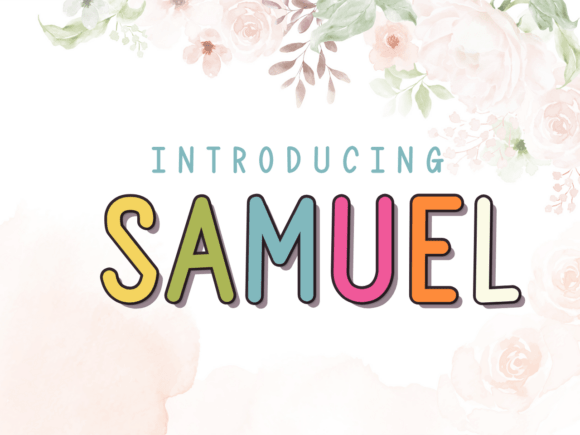
Samuel: A Vine-Inspired Handwritten Font for Unique Designs
Typography often serves as the silent ambassador of a project. While we frequently focus on imagery and layout, the choice of typeface dictates the emotional weight of the work. Among the vast library of available scripts, Samuel stands out as a particularly compelling option for designers seeking an organic, nature-inspired aesthetic. It is not merely a handwritten font; it is a typographic interpretation of nature’s fluidity.
The Organic Concept Behind Samuel
The core identity of the Samuel typeface stems from a specific visual metaphor: the tip of a vine. Unlike standard brush scripts that mimic a felt-tip marker or a calligraphy pen, Samuel embraces the irregular, curving nature of plant growth. This design philosophy results in letterforms that feel alive and growing rather than static and manufactured. The strokes do not just flow; they extend and curl, mimicking the way a vine reaches out to grasp a surface.
For the creative professional, this distinction is vital. When you select a font, you are choosing a personality. A standard sans-serif suggests efficiency; a classic serif suggests tradition. Samuel, however, suggests organic growth, warmth, and a touch of artistic imperfection. It moves away from the rigid geometry of digital design and introduces a human element that feels distinct and authentic.
Practical Applications for Modern Creators
The versatility of Samuel allows it to bridge the gap between digital planning and physical stationery. Its distinctiveness makes it a powerful tool for various user groups, from educators to entrepreneurs.
Stationery and Event Design
The most immediate application for a handwritten font like this is in stationery. Wedding invitations, for instance, require a balance of elegance and personality. Samuel’s vine-like tails can add a romantic, botanical flair to invitation suites without needing excessive graphic ornamentation. Similarly, for greeting cards, the font provides a genuine "handmade" feel that resonates with recipients. It suggests that the sender took the time to choose something special, elevating the perceived value of the card.
Digital Planners and GoodNotes
The digital planning community has embraced handwriting fonts for their ability to personalize tablets. For users of GoodNotes or similar applications, Samuel offers a way to organize schedules with style. Because the font has its own identity, it can serve as a header font for digital journals, making the planning process feel less like a chore and more like a creative exercise. Its legibility at various sizes makes it practical for daily to-do lists as well as decorative titles.
Branding and Logo Design
Small business owners often struggle to find branding that feels personal yet professional. If a brand’s identity is rooted in nature, wellness, sustainability, or artisanal craftsmanship, Samuel is an excellent candidate for logo design. It avoids the cliché look of many "signature" fonts by incorporating that unique vine motif. For a coffee shop, a florist, or a handmade soap business, this font can communicate the brand story immediately upon first glance.
Designing with the "Vine" Aesthetic
To get the most out of Samuel, designers should lean into its natural strengths. Because the font is inspired by vines, it pairs exceptionally well with earthy color palettes. Think olive greens, terracotta, sandy beiges, and deep forest tones. These colors reinforce the organic concept of the typeface.
However, contrast is also important. To ensure the font remains legible and does not become overwhelming, pair it with a clean, neutral sans-serif for body text. This creates a hierarchy where Samuel captures attention for headlines and quotes, while the secondary font handles the heavy lifting of information delivery.
Typography for Educators and Content Creators
Teachers and content creators can utilize Samuel to create a welcoming atmosphere. Educational materials can sometimes feel sterile. By using a handwritten font for headers or motivational quotes, educators can bridge the distance between the material and the student. It signals approachability.
For bloggers and social media managers, this font is a tool for stopping the scroll. In a sea of generic text overlays on Instagram or Pinterest, the distinctive curves of Samuel can catch the eye. It works particularly well for overlaying text on photos of nature, books, or cozy interiors, creating a cohesive visual mood.
Keeping the Design Work Clear and Effective
While Samuel is a "weird art font" in the best sense of the word—unique and attention-grabbing—usability must remain a priority. Here are a few guidelines for maintaining clarity:
- Spacing is Key: Because handwritten fonts often have irregular kerning, ensure you adjust the tracking slightly if the letters feel too crowded, particularly in smaller sizes.
- Context Matters: Avoid using Samuel for long blocks of body text. Its artistic nature makes it difficult to read in large paragraphs. Reserve it for short, impactful statements.
- High Contrast Backgrounds: Ensure the background behind the text is not too busy. The "vine" details of the letters need space to breathe to be appreciated.
Conclusion
Samuel is more than just a collection of characters; it is a design statement. By drawing inspiration from the tip of a vine, it offers a way to make your work different. Whether you are designing a wedding suite, organizing a digital planner, or branding a small business, this font provides the novelty required to stand out. It allows you to choose a font design art that aligns with a natural, creative vision. Embrace the distinctiveness of Samuel