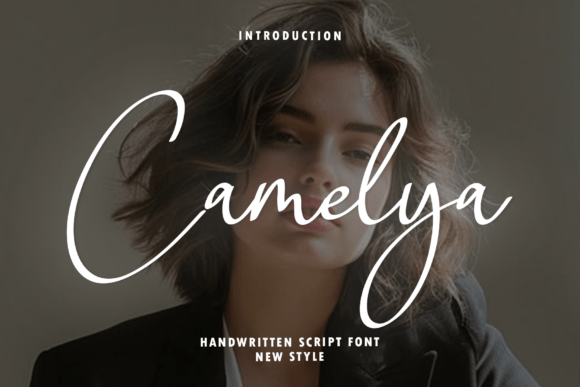
Camelya: A Practical Guide to This Modern Script Font
In the vast landscape of digital typography, selecting the right font is a critical decision that shapes a project's voice and visual appeal. Among the myriad options, script fonts offer a unique blend of personality and elegance, though they often walk a fine line between sophisticated and illegible. The Camelya font presents itself as a contender in this space, aiming to merge the fluid, personal touch of handwriting with the clarity and versatility required for contemporary design. This guide explores the characteristics of Camelya, its ideal applications, and how to evaluate whether it aligns with your creative objectives.
Understanding the Core Characteristics of Camelya
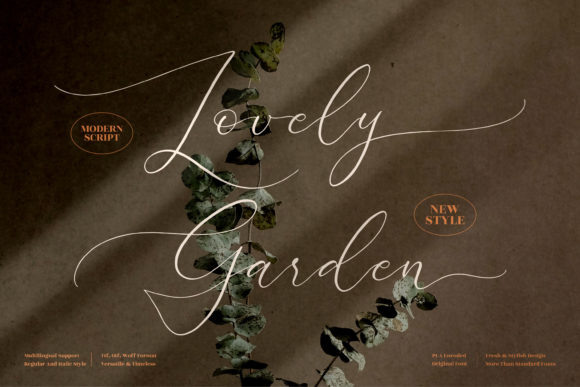
At its foundation, Camelya is a sophisticated and fluid script font. Its design philosophy centers on replicating the graceful motion of a hand-penned note, but with a deliberate structure that ensures readability. The font features vertically elongated letterforms, a subtle design choice that contributes to an airy, elegant feel. This elongation prevents the text from feeling cramped, even in longer phrases, and lends a sense of refined spaciousness.
The stroke weight is consistently described as a fine, monolinear stroke. Unlike fonts that mimic traditional calligraphy with thick and thin variations based on pen pressure, Camelya maintains a uniform line width throughout each character. This results in a clean, modern aesthetic. The smooth character joins are another defining trait; the connections between letters are seamless and natural, avoiding the abrupt or overly decorative swashes that can date a script font or hinder quick reading. This combination of features makes Camelya a new handwritten font that feels both personal and polished.
Practical Applications: Where Camelya Excels
The utility of a font like Camelya is best understood through its application. Its design makes it particularly well-suited for specific contexts where elegance and a personal touch are paramount, but legibility cannot be sacrificed.
- Boutique Brand Identities: For small businesses, artisanal products, or luxury services, Camelya can form the cornerstone of a logo or wordmark. Its refined script conveys craftsmanship and exclusivity without appearing overly formal or inaccessible. It works exceptionally well for businesses in wedding planning, bespoke tailoring, high-end cosmetics, or specialty food products.
- Personal Signature Watermarks: Photographers, artists, and content creators often need a watermark that is both distinctive and unobtrusive. Camelya's fine stroke and fluid flow create a signature that marks work professionally without distracting from the content itself. It adds a layer of ownership that feels organic rather than stamped on.
- Elegant Lifestyle Marketing: This includes social media headers, email newsletter banners, and promotional graphics for industries like wellness, travel, and interior design. The font's aesthetic complements imagery that is airy, natural, and curated. It helps set a mood that is aspirational yet relatable.
- Professional Social Media Headers: First impressions on platforms like LinkedIn, Instagram, or a personal blog are visual. A header using Camelya can immediately communicate a sense of style and professionalism, suggesting attention to detail and creative sensibility.
Evaluating Camelya Against the Script Font Spectrum
When comparing font options, it's helpful to understand where a choice like Camelya sits on the broader spectrum of script typefaces. This comparison isn't about declaring a winner, but about identifying the right tool for the job.
Camelya vs. Traditional Calligraphic Scripts
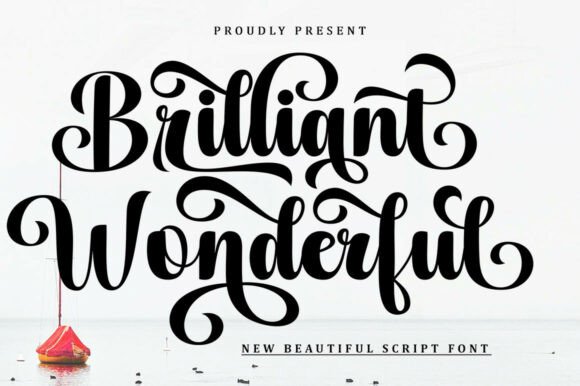
Traditional calligraphic fonts, often inspired by historical penmanship like Copperplate or Spencerian, feature dramatic thick-to-thin transitions. They are undeniably beautiful and convey extreme formality and tradition. However, their complexity can make them challenging to read at smaller sizes and they may feel overly ornate for modern, minimalist projects. Camelya, with its monolinear stroke, offers a more contemporary and accessible elegance. It is the better choice when you want a handwritten feel without the visual weight and historical connotations of classical calligraphy.
Camelya vs. Casual or Handwritten Fonts
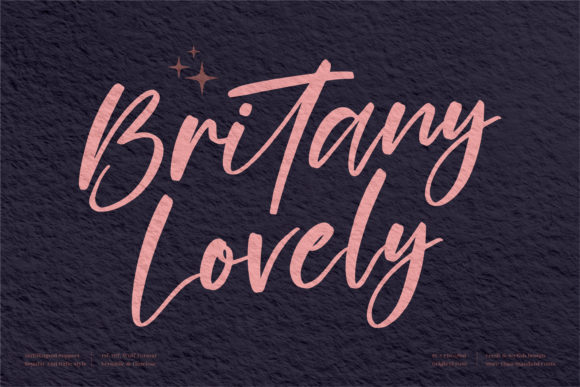
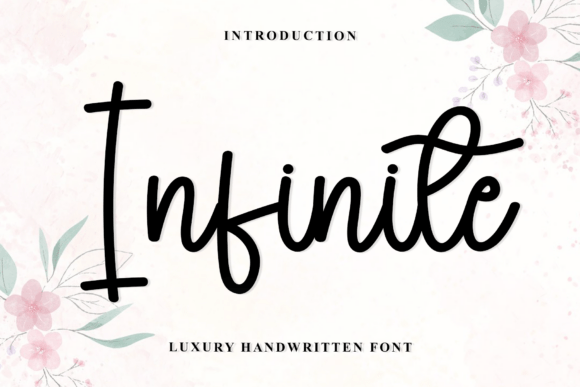
At the other end of the spectrum are fonts that mimic casual, quick handwriting—think of the style of a hastily written note or a children's book. These fonts are packed with personality but can sacrifice professionalism and clarity. They are excellent for informal communications, creative storytelling, or projects targeting a very young audience. Camelya occupies a middle ground. It retains the personal, human element of handwriting but elevates it through its elongated forms and smooth joins, making it suitable for professional and commercial contexts where a casual font might undermine credibility.
Tradeoffs and Limitations to Consider
No font is perfect for every scenario. The strengths of Camelya also define its limitations. The very features that give it elegance—fine strokes and elongated forms—can present challenges. At very small sizes, particularly in body text, the fine lines may reduce legibility on low-resolution screens or in print. It is not designed for long-form reading. Its ideal role is as a display or accent font for headlines, logos, and short phrases. For body copy, pairing it with a highly readable sans-serif or serif font is a necessary and recommended practice.
Making an Informed Decision: Is Camelya the Right Fit?
Choosing Camelya should be a deliberate decision based on your project's specific needs and audience. Consider the following factors in your evaluation:
- Project Tone and Audience: Does your project require a tone that is sophisticated, feminine, elegant, or artisanal? Is your audience receptive to a design that feels curated and personal? If the answer is yes, Camelya is a strong candidate. If your project demands ruggedness, industrial strength, or ultra-modern minimalism, a different category of typeface would be more appropriate.
- Application Context: Will the font be used for a large, prominent logo or a small, secondary watermark? Its performance is optimal in contexts where it can be displayed at a reasonable size, allowing its details to shine. For tiny footnote text or dense paragraphs, it would be a poor choice.
- Pairing Potential: Consider what other fonts will accompany it. A script like Camelya needs a stable, neutral partner. Evaluate whether you have a strong, clean sans-serif (like a modern geometric or humanist sans) or a classic serif in your toolkit to handle the heavy lifting of readability. The contrast between the fluid script and a structured companion font often creates the most dynamic and effective typographic hierarchy.
- Technical Performance: Always test the font in your intended environment. Check how it renders on different devices, in various software, and at the specific sizes you plan to use. Ensure the licensing aligns with your project's scope, whether for digital, print, or merchandise.
Ultimately, Camelya is a specialized tool in the typographer's kit. It is not a universal solution but an exceptional one for specific problems. Its value lies in its ability to inject a sense of refined, human touch into digital and print projects without compromising on a clean, modern aesthetic. By understanding its design principles, comparing it thoughtfully against alternatives, and honestly assessing your project's requirements, you can determine if its graceful, fluid character is the missing element that will elevate your work.